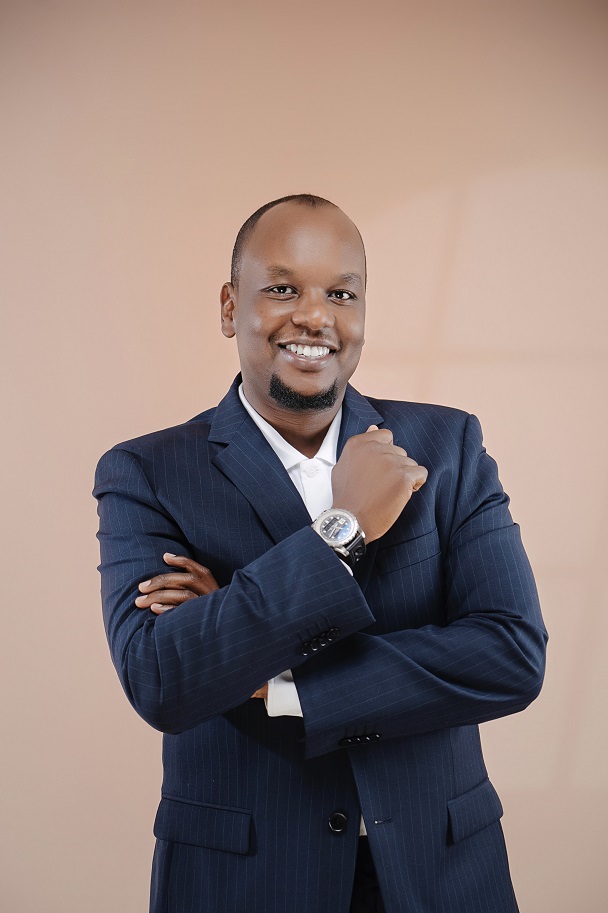


Designer watches, expensive cars, luxury fashion, and high-end accessories are usually presented as symbols of success. Many people buy them because they want to feel accepted or validated.
However, the problem begins when financial decisions become tied to other people’s opinions. For pilots, especially, status pressure can become powerful. Titles, uniforms, and visible success already carry social recognition.
We will examine the psychology driving luxury purchases and reveal why genuine wealth is usually built quietly, without the need for display.
Key Takeaways
- Luxury Spending Is Emotional: Many expensive purchases are tied more to status and validation than actual practical value.
- Looking Rich vs Being Rich: Visible lifestyle upgrades can hide debt and financial stress, while real wealth is usually built quietly through ownership and investing.
- Small Habits Build Wealth: Consistent investing, controlled spending, and asset building create stronger long-term financial stability than luxury signaling.
- Pilots Have Unique Advantages: Time zone economics, transferable skills, entrepreneurship, and stable income give pilots strong opportunities to build wealth over time.

Why Luxury Spending Feels So Emotional
Most people are not buying a watch simply to tell time, or buying designer clothes because basic clothing does not work. The emotional value attached to the purchase is usually much greater than the practical value.
Luxury products become tied to identity, status, confidence, and recognition. Wearing certain brands can make people feel more successful, respected, or socially accepted, even if that feeling only lasts temporarily.
That emotional connection is one reason the industry continues growing rapidly. The global luxury goods market is currently valued at US $489.37 billion. This number shows how strongly people continue spending on products tied to social perception.
For pilots, this can become more subtle because aviation already carries a visible status. The uniform, lifestyle, travel, and career title naturally create social recognition. Over time, appearance can quietly become tied to identity.
The Hidden Tax Behind Status Signaling
Did you know that nearly 37 percent of Americans would struggle to cover a $400 emergency expense using cash or savings?
Yet, so many people give in to social media and buy luxury watches, designer clothing, or a high-end car. This shows that many people are still spending heavily on lifestyle while lacking real financial flexibility.
Social pressure plays a major role here. People compare themselves constantly, especially online. Expensive purchases start feeling normal because everyone else appears to be upgrading their lifestyle, too.
And the worst part is, many people tend to buy all these things with their credit cards. Because of that, the average credit card balance reached over $6,500 in 2025. It’s like two months’ worth of work for some people, even.
The Difference Between Looking Rich and Being Rich
Looking rich is about appearance, while being rich is about ownership, flexibility, and financial control.
Many people confuse the two because visible wealth gets the most attention. Expensive watches, luxury cars, designer clothes, and high-end lifestyles are easy to notice from the outside.
Someone can literally look successful while carrying large amounts of debt, living paycheck to paycheck, or having very little financial security. Alternatively, another person may dress simply, drive a normal car, and quietly build investments, savings, and assets.
A survey of 10,000 U.S. millionaires found that 80% of them invested money in their 401(k)s and weren’t really going after luxury to build wealth over time.
This should teach you that long-term wealth is built through consistent saving, investing, and controlled lifestyle inflation. To look rich, all you need is to build perception, whereas being rich focuses on ownership.
How Pilots Can Avoid the Status Trap
Here are some practical ways you, as a pilot, can build wealth more intentionally over time:
1. Use Time Zone Economics to Your Advantage
Pilots already operate in a global environment. Layovers, international exposure, and flexible schedules create opportunities most professions do not have. This is where time zone economics becomes valuable, using geography to create an advantage.
Some pilots use layovers to build remote businesses or work on projects that generate income outside flying hours. Others use lower-cost countries strategically to reduce expenses while maintaining higher earning power.
2. Invest Consistently in Index Funds
Many financially successful people build wealth through consistent long-term investing in index funds. These funds spread investments across large groups of companies, reducing risk compared to trying to pick individual stocks.
According to Investopedia, the S&P 500 has historically delivered average annual returns of around 10.56% over the last few decades. That consistency is why long-term investing matters so much.
3. Build Something Through Entrepreneurship
Aviation already develops valuable skills, decision-making, communication, discipline, and problem-solving under pressure. Entrepreneurship allows pilots to apply those strengths outside the cockpit, too.
That does not mean quitting aviation immediately. Many pilots start small businesses, consulting work, online projects, or side income streams while still flying full-time. Entrepreneurship creates something important beyond money: ownership.
4. Use Your Natural Strengths Outside Aviation
Pilots underestimate how transferable their skills and natural strengths really are. Leadership, calm decision-making, teamwork, structure, communication, and risk management are valuable across many industries.
Those abilities can create opportunities in mentoring, coaching, consulting, business leadership, investing, and education. The key is recognizing that flying is not the only valuable thing you know how to do.
5. Prioritize Assets Over Appearances
One of the biggest financial shifts is learning the difference between buying status and building assets. Luxury spending creates temporary images. On the other hand, assets create long-term freedom.
Savings, investments, businesses, property, and ownership generate future flexibility. Expensive signaling usually creates ongoing financial pressure.
Time to Create Real Financial Security
Many people spend years building an image while neglecting the assets that actually create long-term freedom. Real wealth, on the contrary, creates flexibility. It gives you options, peace of mind, and the ability to make decisions without financial pressure.
Pilots already have strong advantages for building wealth over time. Stable income, transferable skills, global exposure, and entrepreneurship opportunities can all become powerful financial leverage when used intentionally.
So, if you are thinking of building stable wealth, the Aviator Entrepreneur Briefing is a strong place to start. It helps pilots understand how to create stronger financial foundations beyond the cockpit.
Your goal should be to build a life that stays financially strong even when nobody is watching.
Invitation to Join Our FREE Strategy Session
Most pilots are one honest conversation away from clarity. This is that conversation.
Complete our “Life After the Sky” checklist, then join me for a FREE 15-minute “strategy session” via Zoom.
This session is for pilots who want to take ownership of what comes next.
In just 15 minutes, we’ll:
- Review your checklist results
- Identify the one obstacle holding back your reinvention
- Translate your checklist results into a clear starting point
Start your pre-flight assessment for the next chapter of your journey by Booking your free strategy session here!