

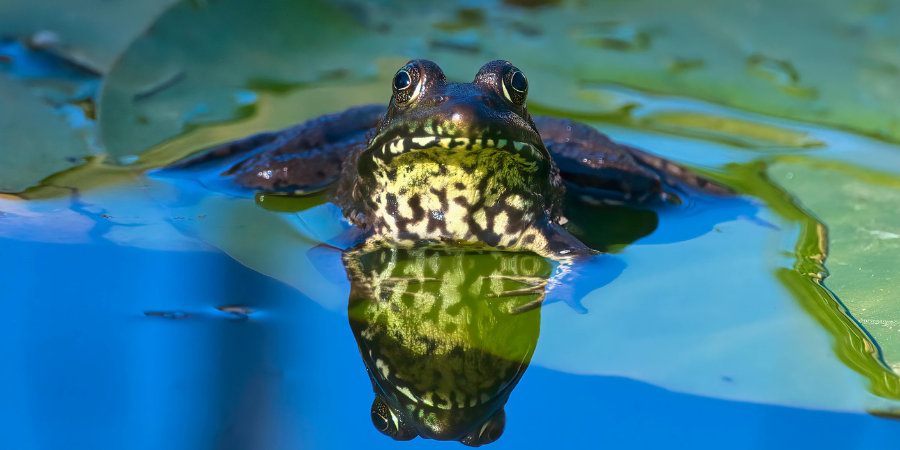
We stick to what we know, follow familiar routines, and tell ourselves it’s the responsible path. But what if the choice you think is “safe” isn’t actually safe at all? What if it’s quietly keeping you small?
Many people spend years living within their comfort zone, thinking it’s protection when, in reality, it’s confinement. Just like the frog that didn’t come out of the well because it was convenient, many people stay within their comfort zone and don’t let themselves explore new opportunities.
To help you reach beyond that well, we’ll explore how to stop mistaking familiarity for safety and start seeing the bigger world.
Key Takeaways
- Comfort Isn’t Safety: Like the frog in the well, most aviators mistake comfort for security. The airlines feel safe and predictable, but they quietly limit growth.
- Ocean Represents Possibility: Stepping beyond the well means stepping into the ocean. Even though it’s uncertain, it’s also where you find what you’re capable of.
- Awareness Is the First Step: You can’t leave the well until you admit you’re in one. Identify what’s keeping you stuck and be clear about what you really want.
- Build Your Bridge, Then Jump: Don’t leap blindly. Prepare while you’re still in the well. Validate ideas, gain confidence, and when the path is ready, commit fully.
The Story of the Frog in the Well
There’s an old story about a frog that lived at the bottom of a small well. The well was calm, familiar, and comfortable. The frog had everything it needed, like the water to swim in, cool walls for shade, and the sense that it understood the world.
To the frog, this small space felt complete. One day, a turtle from the ocean came to visit. The frog, curious, asked the turtle where it came from.
The turtle smiled and began to describe the ocean. “It stretches beyond the horizon,” the turtle said. “It’s deeper and wider than anything you’ve ever seen.” The frog blinked in disbelief, but even when the turtle retreated, it stayed there, unaware of what it had missed.
The well didn’t trap the frog; its mindset (the same one that keeps pilots grounded) did.
As Neale Donald Walsch once said:
“Life begins at the end of your comfort zone.”
You Are the Frog Trapped in the Well
Right now, you might not be sitting in an actual well, but you’re living in one. For aviators, that looks a lot like the airlines. The fixed schedules, steady paychecks, predictable routines, and structured systems also create a sense of safety.
You know exactly how your weeks unfold, where you’ll be, and what you’ll earn. It feels secure and smart. Just like the frog, you’ve built your comfort inside walls that quietly limit you.
Comfort is what keeps you where you are. However, safety is what protects you while you move forward. The two are often mistaken for one another.
The emotional trap is subtle yet powerful. It’s the belief that the well is the “smart” choice and that the ocean is too risky. The truth? The real risk lies in staying where you have always been.
What the Ocean Offers
When you choose to step out of the well, you’re not just chasing risk; you’re choosing growth. Here, the ocean symbolizes a life that expands with every new challenge it faces. Here’s what it truly offers:
1. Autonomy: Control Over Your Time and Direction
In the well, your time isn’t yours. Every hour, schedule, and trip is already decided for you. Whereas in the ocean, you call the shots. You set your own course and decide where your energy goes.
Autonomy gives you the power to design your life around your priorities. It’s freedom with responsibility; still, it’s the kind that builds true satisfaction because you’re the one steering the ship.
2. Impact
The ocean is where a person can make a difference. In the well, your contribution is limited by the structure above.
However, inside the ocean, you build something that reflects who you are, whether that’s a business, a movement, or a legacy.
3. Growth
Growth doesn’t happen in calm, shallow water. It happens when faced with waves no one’s ever seen before. The ocean challenges you to adapt, learn, and stretch your limits.
The mistakes you make become a lesson. While each of your successes builds confidence. You stop just performing and start developing.
4. Freedom
Freedom is the deepest current in the ocean. It gives you the choice to spend time with family, work on projects that inspire you, and build wealth your own way. It’s usually divided into two types:
- Creative Freedom: To stop feeling trapped by routine.
- Emotional Freedom: Expressing yourself without limits.
Even though the ocean doesn’t promise perfection, it offers the one thing the well never can: the ability to live on your own terms.
How to Climb Out of the Well
Studies show that 70% of employees feel disengaged at work. So, if you are one of them and want to climb out of the well, you need to start small. Do the practical things in order, and big changes will follow.
Here’s a clear framework you can use right now to climb out of the well.
Step 1: Acknowledge You’re In a Well
The first step is honesty. Stop pretending that your current environment is the ocean. Write down what your “well” looks like. It could be the schedules, the limits, or the routine you’ve convinced yourself is freedom.
Awareness is power. Once you see the walls around you, you can stop defending them and start planning your way out.
Step 2: Look Up
Next, define what the ocean means to you. What does your ideal life look like? What would you do if you had full control of your time, energy, and income?
Be specific. The clearer your vision, the easier it is to move toward it. This step turns vague frustration into focused motivation.
Step 3: Build the Bridge
You don’t need to jump immediately. Build your bridge while you’re still in the well. You can start by validating business ideas, creating a side income, learning new skills, or proving your concept while the paycheck still covers your safety net.
Each small success becomes a plank in that bridge, giving you confidence and stability for what’s ahead.
Step 4: Jump
When your bridge feels solid, it’s time to commit. Don’t keep one foot in the well because that’s how people get stuck halfway. Remove your backup plans and give the ocean your full focus.
Yes, it’s uncertain. But it’s also where growth happens. The first few waves might test you, but they’ll also remind you of something the well never could.
Are You Ready To See the Ocean?
What feels safe today might actually be what’s keeping you small. And the truth is, there’s an entire ocean of opportunity outside the well.
It’s time to find out where you really stand. For that, all you need is the Life After the Sky Checklist. It helps you uncover exactly what’s holding you back and what’s possible beyond your current limits.
In just 3 minutes, you’ll receive a personalized 25-page report showing you the invisible walls of your well and a clear path towards the ocean.
Invitation to Join Our FREE Strategy Session
Most pilots are one honest conversation away from clarity. This is that conversation.
Complete our “Life After the Sky” checklist, then join me for a FREE 15-minute “Strategy Session” via Zoom.
This session is for pilots who want to take ownership of what comes next.
Those who want action, not just to talk about it.
In just 15 minutes, we’ll:
- Review your checklist results
- Identify the one obstacle holding back your reinvention
- Translate your checklist results into a clear starting point
Start your pre-flight assessment for the next chapter of your journey by Booking your free strategy session here!