

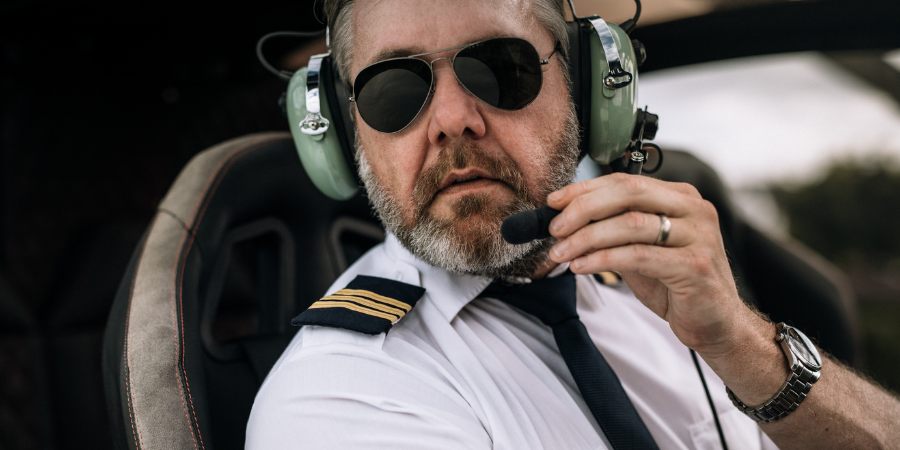
Have you ever heard of the 1977 incident where two Boeing 747s collided on a foggy runway in Tenerife? It killed 583 people and is considered one of the deadliest accidents in aviation history.
The captain involved in this was quite experienced and respected in the industry. He was the head of flight training at KLM and a man trusted to teach others how to fly safely. Yet certainty became part of the problem.
When a junior crew member questioned the takeoff, the captain didn’t listen because of the “full cup” mindset, thinking he knew better because of his experience.
This is what we’ll be discussing and teaching you in this article: what the “Empty Cup” mindset can do for you and why expertise can become a trap.
Key Takeaways
- Certainty Can Become Dangerous: Too much confidence and unchecked authority can block important information and better decisions.
- Experience Should Stay Flexible: Aviation expertise is valuable, but rigid thinking makes it harder to adapt when industries and conditions change.
- Growth Requires Openness: Pilots who stay curious, question assumptions, and keep learning build stronger long-term adaptability.
- New Thinking Creates New Opportunities: Learning beyond aviation helps pilots create more options, broader skills, and better career resilience over time.
What Happened During the Tenerife Disaster
On March 27, 1977, two Boeing 747 aircraft collided on the runway at Los Rodeos Airport in Tenerife, Canary Islands. The crash killed 583 people.
The KLM aircraft, commanded by Captain Jacob van Zanten, began its takeoff roll while a Pan Am 747 was still on the same runway ahead, hidden in thick fog. Surprisingly, inside the cockpit, the flight engineer questioned whether the runway was actually clear.
Despite that, the takeoff continued. Seconds later, the KLM crew saw the Pan Am jet directly ahead and tried lifting off early to avoid impact, but there was not enough time.
Investigators later found that cockpit hierarchy and excessive certainty played a major role in the disaster. Junior crew members sensed something was wrong, but the captain’s confidence and authority overpowered the doubt around him.
That became one of the clearest examples of the “Full Cup” mindset in aviation, a.k.a., expertise taking over uncertainty.
What the Empty Cup Really Means
The “Empty Cup” mindset means staying open enough to receive new information, even when it challenges what you already believe.
It does not mean ignoring experience or pretending you know nothing. Experience still matters. The problem begins when experience turns into certainty and leaves no room for different perspectives.
A simple example of this can be seen in everyday flying. An experienced captain may have flown the same route hundreds of times, but if a junior first officer notices something unusual, that observation still matters.
The same pattern appears outside aviation, too.
Many pilots become so certain about what success looks like that they stop exploring anything new. “Flying more hours” becomes the only way to make money. Meanwhile, “seniority” becomes the only path to security.
An empty cup mindset keeps room for learning, questioning, and adapting.
The Full Cup Problem in Aviation Careers
Aviation rewards expertise, repetition, and confidence. Over time, many pilots become extremely skilled at operating inside one system, one career path, and one definition of success. That experience is valuable, yet it can quietly create mental rigidity.
After years in the industry, it becomes easy to believe that the future will continue looking similar to the past. Flying more hours feels like the only way to increase income. Anything outside starts feeling unrealistic.
You’d be surprised to know that 39% of workers’ core skills are expected to change by 2030 because of technological shifts. And that includes pilots, too. Trust me, industries evolve much faster than many people expect.
Pilots with a “full cup” mindset often struggle during those changes because they built confidence around one environment only.
The Value of an Empty Cup Mindset
An empty cup mindset keeps you open to learning, questioning assumptions, and accepting that experience alone does not guarantee future success. For pilots, that mindset becomes extremely valuable as aviation conditions continue to change.
Here are some of the biggest advantages of this mindset.
1. Better Decision-Making
Pilots with an open mindset process information more clearly because they are willing to consider perspectives beyond their own assumptions.
That matters, especially under pressure.
Research has repeatedly shown that communication failures and poor cockpit coordination contribute to many aviation incidents. Pilots who remain open to feedback and questioning create more effective environments.
2. Stronger Career Adaptability
Industries evolve constantly. New technology, automation, and changing hiring markets continue to reshape aviation.
Pilots who stay mentally flexible adapt much faster because they are willing to learn new skills, explore opportunities, and rethink old assumptions when needed. That flexibility creates more long-term resilience.
3. More Growth Outside Aviation
A full cup mindset often keeps pilots mentally trapped inside one identity. On the other hand, an empty cup creates curiosity again.
Learning business, communication, investing, leadership, or creative skills becomes easier when you stop assuming “this is not for me.” Over time, that openness creates new opportunities and broader ways to create value beyond flying hours alone.
How Pilots Can Keep Their Cup Empty
A few ways you can avoid becoming mentally stuck as a pilot include:
1. Question Old Assumptions
Many career beliefs feel true simply because they have been repeated for years. The problem is never questioning whether they still make sense today.
Strong pilots constantly reassess changing conditions in the air. So, if you apply the same thinking to your career decisions, it will create much better long-term adaptability. A useful habit here is to ask simple questions regularly.
2. Learn Beyond the Cockpit
Usually, pilots spend years becoming highly skilled in aviation while completely avoiding learning outside of it. That creates a very narrow sense of capability. By learning something unfamiliar, you can break that pattern.
Business, leadership, communication, investing, writing, technology, or entrepreneurship all develop different ways of thinking.
3. Create Space for New Thinking
A full schedule creates a full mind. However, when every week becomes the same routine, there is very little room left for reflection, new ideas, or different perspectives. Pilots can easily fall into autopilot outside the cockpit, too.
Creating space matters.
This means reading outside aviation, having conversations with people from different industries, or simply spending time thinking.
Keep Enough Space to Keep Growing
The Tenerife disaster showed how dangerous unchecked confidence can become, even among the most experienced professionals. It shows why the empty cup mindset is so important for pilots and everyone else.
This mindset keeps you curious, open to feedback, and willing to rethink old beliefs when conditions change. Just remember that the strongest pilots are the ones willing to keep learning long after becoming experienced.
If you want to think more strategically about life outside flying, Life After the Sky is a strong place to start. It helps identify where rigid thinking may already be limiting growth and where new opportunities deserve more attention.
Invitation to Join Our FREE Strategy Session
Most pilots are one honest conversation away from clarity. This is that conversation.
Complete our “Life After the Sky” checklist, then join me for a FREE 15-minute “strategy session” via Zoom.
This session is for pilots who want to take ownership of what comes next.
In just 15 minutes, we’ll:
- Review your checklist results
- Identify the one obstacle holding back your reinvention
- Translate your checklist results into a clear starting point
Start your pre-flight assessment for the next chapter of your journey by Booking your free strategy session here!